:

    • All advice and support

      Start your business

      • All start your business
      • Legislation
      • Measure your progress
      • Pricing strategies
      • Set up a business

      Improve your business

      • All improve your business
      • Create an inclusive business
      • Deliver a quality experience
      • Partner support opportunities
      • Understand your customers

      Grow your business

      • All grow your business
      • Funding opportunities
      • Online booking systems
      • Reach new markets
      • Sell with travel partners

      Promote your business

      • All promote your business
      • Create good content
      • Manage your social media
      • Manage your website
      • Marketing opportunities

      Sustainability

      • All sustainability
      • Create a climate action plan
      • Improve your sustainability
      • Measure your climate impact
      • Net zero and sustainability
      • Promote responsible tourism

      Support by sector

      • All support by sector
      • Accommodation
      • Active and outdoor
      • Events and festivals
      • Food and drink
      • Visitor attractions
  • Training and events
  • Contact us
  1. Home
  2. Advice and support
  3. Improve your business
  4. Create an inclusive business
  5. Inclusive Business Improvements

Inclusive Business Improvements

9 minute read• Last updated: 10 December 2025

Follow these simple and manageable steps and make your business more inclusive and accessible. Improving the accessibility of your business has clear benefits, both for you and your customers, but knowing where to start, or what steps to take next, can sometimes be daunting.

Regardless of the size or type of business you operate, there are always improvements you can make, and they don’t always need to be costly or take a long time to put in place to make a big difference.

In this article:

  • Why make improvements?
  • What is the process?
  • Step 1: Review your business
  • Step 2: Improve your business
  • Step 3: Plan (longer-term actions)
  • Step 4: Evaluate

Why make improvements?

Being inclusive and accessible is not just about the need to meet statutory obligations. With the accessibility market contributing £1.75 billion to Scotland, making improvements that target these customers, can unlock huge benefits and grow your business. Discover the volume and spending power of visitors to Scotland who have accessibility requirements with our accessible and inclusive market statistics.

What is the process?

  • Review your business

    Look at your current service and consider how inclusive and accessible your business is currently and where improvements can be made. We can provide checklists to make this process easier for you and help identify areas for improvement.

  • Improve your customer service, facilities and accessibility information

    Build on your current inclusive practices and accessible facilities, starting with improvements that are simpler to introduce now. Make sure that your online accessibility information is up-to-date and easily available for customers.

  • Plan any larger changes you can make

    Start to think about what improvements you want to achieve in the longer term. What actions need to take place and how will you prioritise improvements for the maximum impact?

  • Evaluate your progress

    Gather feedback from customers, staff and partners. Which changes are working well, and which need to be tweaked?

Step 1: Review your business
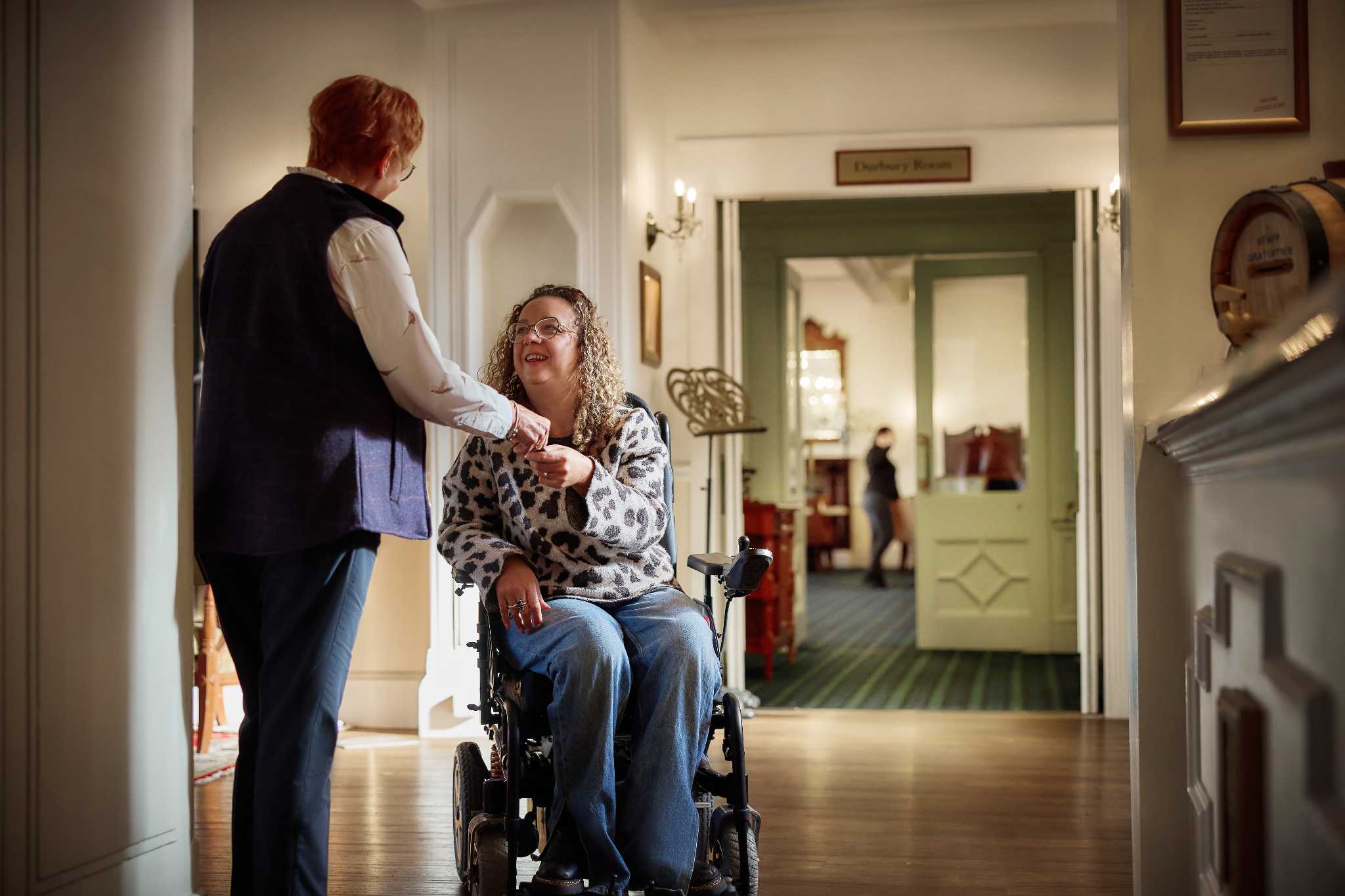
A lady in a wheelchair is engaging with a member of staff

Grant Arms Hotel, Grantown-on-Spey

© VisitScotland / Allan Myles

This is an opportunity to review your current inclusion and accessibility practices and facilities, identify opportunities to make simple improvements and put a plan in place for longer-term changes.

As well as making changes to physical facilities or staff processes, it’s really important to focus on your information and your marketing. You might have lots of great accessible features in place, but if you aren’t telling people about them, you won’t get any accessible customers.

To help you review your business we’ve created a set of free checklists which include many general and sector specific low cost and no cost suggestions on how to improve your inclusivity and accessibility.

  • Checklist 1 Suggestions for Customer Service Improvements
  • Checklist 2 Accessibility Information Improvements
  • Checklist 3 Accessible Facilities and Equipment Improvements

As you review each area of your business, make a list of the improvements you want to make. You can record your planned improvements using our Business Plan – Improvements templates. Keep track of the actions required, the costs and timeframes involved, and who is responsible for seeing the improvement through to completion.

Request copies of the improvement checklists and business plan templates from our Business Enquiry and Support team.

Take feedback on board

As part of your review, you should consider any customer feedback you may have received regarding inclusivity and accessibility.

Front-line staff are often the eyes and ears of your business and can provide insights into what is working for customers and what doesn’t. Many staff are likely to have first-hand, lived experience of accessibility or inclusivity requirements which will be invaluable in making improvements.

It is also important to involve your staff at all stages, making them aware of the changes you intend to implement, why they are being made and when they will be made. They can then help to gather feedback on the changes, and any further adjustments needed.

Step 2: Improve your business

Exterior of wooden lodge, a girl in a wheelchair is pushed along decking surface while a younger child runs ahead

The Green House, Ettrickbridge

© VisitScotland / Luigi Di Pasquale

Once you’ve reviewed your business, prioritise and plan the actions that you’ve identified. Focus on what is achievable for your business based on the resources you have right now.

For each of the improvements from your review:

  • determine the timescales and budgets required
  • prioritise the areas you plan on improving immediately
  • decide who is responsible for implementing changes
  • create a delivery plan to monitor progress
  • keep staff informed and involved in the process

Remember you don’t want to take on too much at once, so find a way to prioritise your improvements such as looking at what is low effort but high impact.

‘Quick wins’ to improve your accessibility

  • Involve your staff

    • Ensure that your staff are being kept up to date with any changes you are making. This will give them the confidence to welcome all customers and provide accurate information when dealing with enquiries about the accessibility of your business.
    • Appoint an ‘Accessibility Champion’ from within your team to help contribute to your improvement plan and its management, and help with communicating your progress to all staff.
  • Implement training for your team

    • Why not undertake VisitScotland and AccessAble’s Disability Essentials online course? It’s free for Scottish tourism and events businesses and includes modules on providing a great service for all customers and what language to use. Find out more about the Disability Essentials course.
    • The Welcoming All Customers training from Welcome to Excellence offers a practical one-day course developed by specialists with lived experience, with a focus on providing excellent customer service to customers with disabilities. Find out more about purchasing Welcome All Customers training.
  • Share your accessibility information

    ​​​​​​Promote your accessibility provision on your website and online channels to disabled customers, or other groups such families or the elderly.

    • VisitScotland has specific guidance for improving online accessibility information for each of the following sectors: serviced accommodation, attractions, camping, events and festivals, food and drink and self-catering. 

    Request a copy of the guidance for your sector from our Business Enquiry and Support team.

    • VisitScotland has joined with AccessAble to offer a Detailed Access Guide service for tourism and events businesses. This service helps you gather and share detailed accessibility information.

    Find out more about purchasing an AccessAble Guides.

Step 3: Plan (longer-term actions)

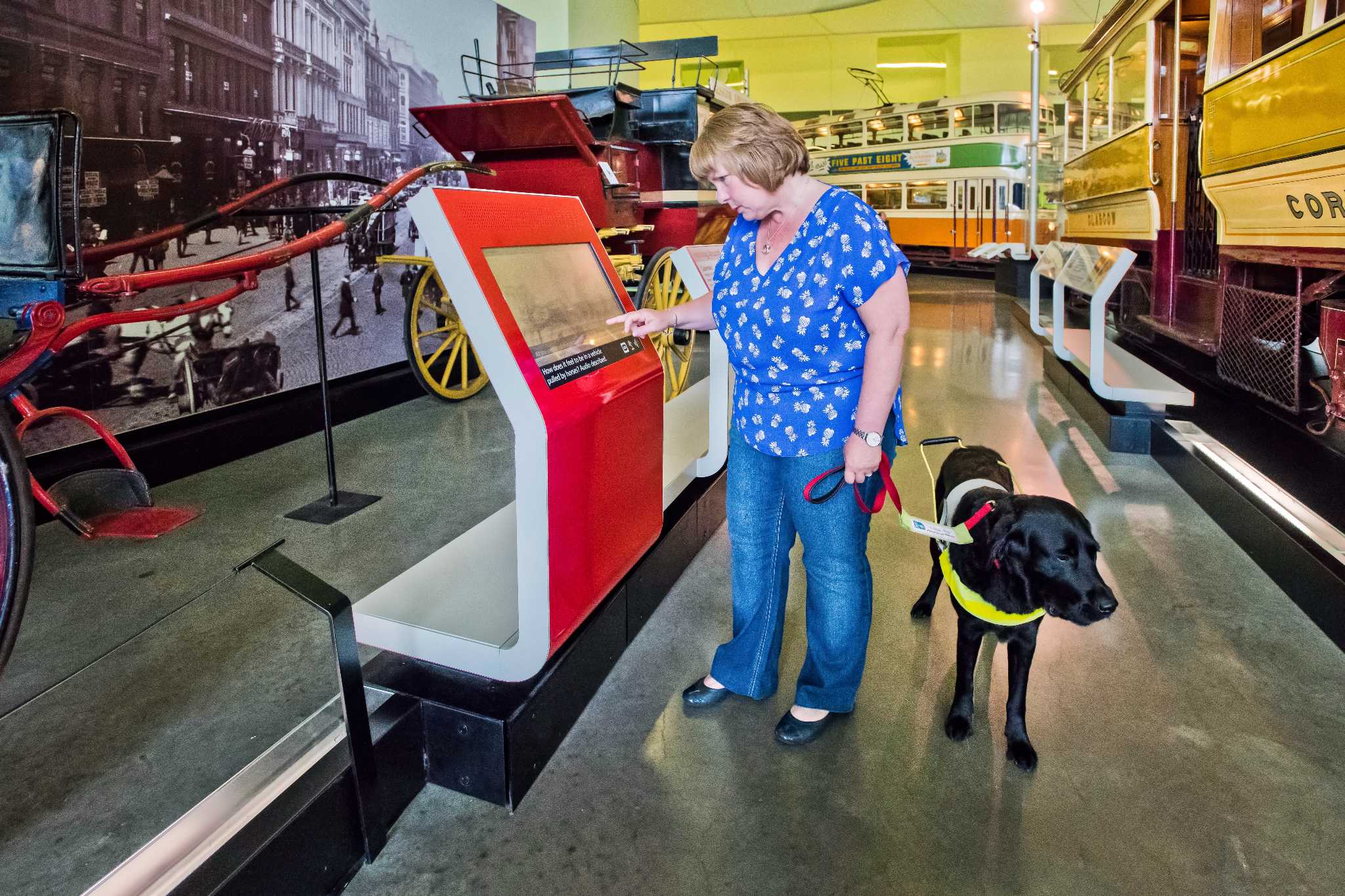
A lady with an assistance dog is using a touch screen display by an exhibit

Transport Museum, Glasgow

© VisitScotland / Chris Watt

Planning longer-term improvements may often require more thought and investment of resources.

Consider those improvements which require greater investment (perhaps involving facilities and equipment). You may wish to prioritise these by considering those items which benefit the greatest number of your customers. You could get your Accessibility champion to come up with ideas for:

  • targeting a customer group that is underserved currently in your area
  • incorporating elements of inclusivity best practice from other businesses into your longer-term plans

Areas to consider in the longer term

  • Incorporating inclusive design

    When carrying out any new build, or refurbishment, ensure that any designers, architects or planners are fully briefed on your aims to ensure that proposed designs are inclusive. This will help them understand the standards you are working to.

    VisitScotland has specific guidance on inclusive design with 18 guides covering a range of key business areas, such as exterior routes and approaches, entrances, corridors, sleeping areas, bathrooms and changing areas, cafes and restaurants and more.

    Request copies of our inclusive design guides from our Business Enquiry and Support team.

  • Working in partnership with others

    You could join up with other local accessible businesses to help market and promote each other and make planning easier for the customer. Having a network of like-minded businesses can also raise your awareness of developments in your region and share best practice. You may also wish to consider working with local councils and others to achieve change in the public realm, eg ramped access to a beach.

  • Staff recruitment and retention

    Employing people of different abilities can be a huge benefit to your business, bringing valuable skills and insights to help enrich the customer experience and enhance the reputation and success of your business.

    Find out more on being an inclusive employer on Inclusion Scotland’s Employers Hub.

    Discover the benefits of providing an inclusive work environment with our guidance on Fair Work rights.

Step 4: Evaluate

Monitor your progress against your action plan goals in the short, medium and long-term.

Decide how you will evaluate your progress

  • How often will you monitor progress – weekly, monthly, quarterly?
  • How will you capture the information you need for monitoring?
  • Who is able to support you? eg other team members
  • You may want to break down your evaluation into the key areas of:
    • your team and customer service experiences
    • information and promotion
    • facilities and equipment

Find guidance on setting and reviewing your product standards.

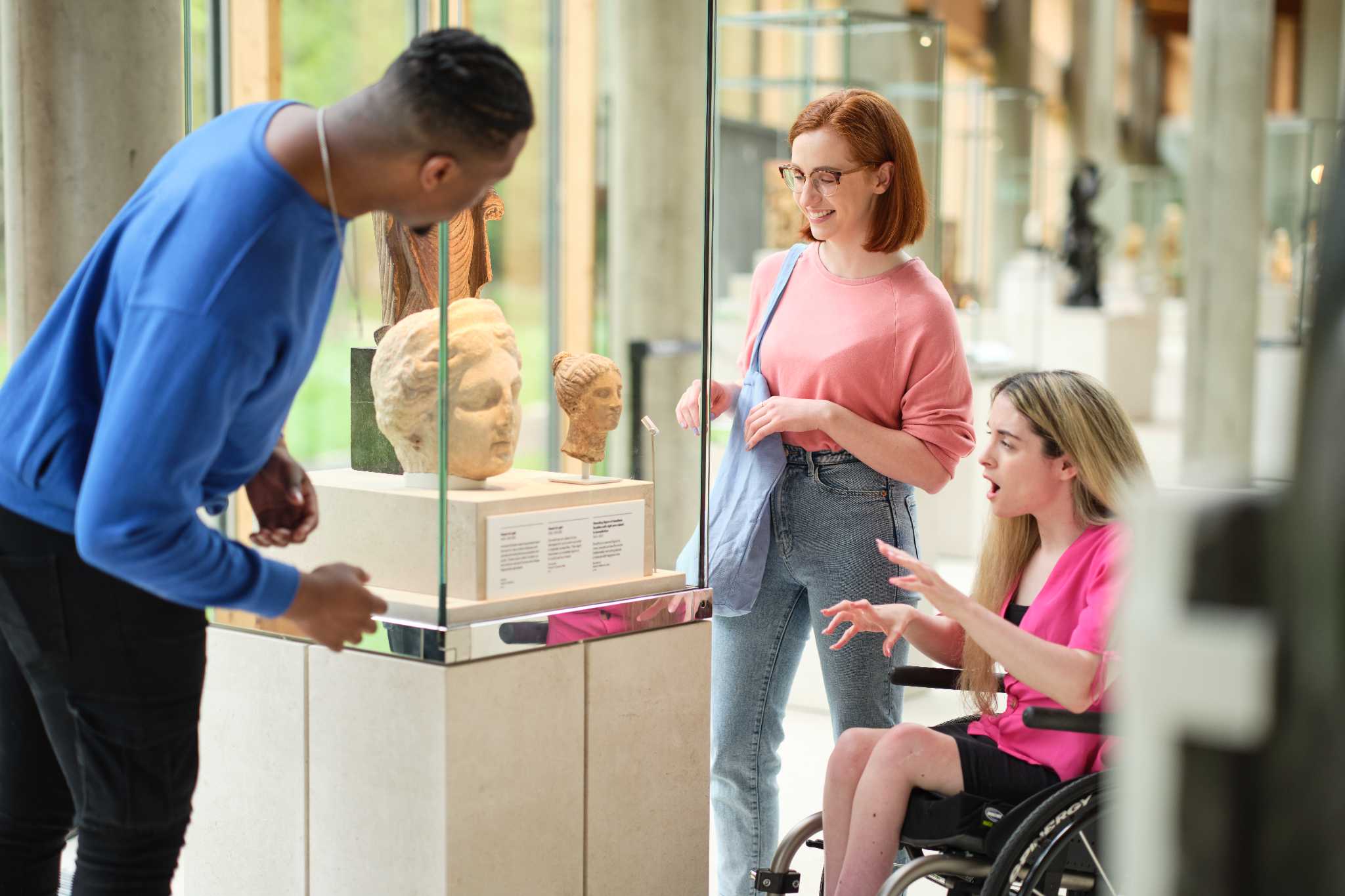
Three friends are enjoying looking at an exhibit

Burrell Collection, Glasgow

© VisitScotland / Kate Abbey

Seek customer feedback directly from customers

Proactively requesting customer feedback can help track your progress and inform future plans.  Here are some suggested questions you can add to any current customer survey you undertake:

Example customer survey questions

  • Did anyone in your party have any additional support or accessibility requirements?  If your answer is yes then:

a) How well did we cater for your specific requirements or needs?  Please rate: 1=poor 2=average 3=ok 4= good in parts 5=excellent overall

b) How could we improve our customer service or accessibility facilities for a future visit?

Seek customer feedback via your staff

All of your frontline staff, who are in regular contact with your visitors, should be encouraged to offer feedback relating to accessibility.

Ask staff whether they have:

  • received any positive or negative feedback about the accessibility of your business from customers
  • observed any difficulties that disabled customers and others may have had within your business

Find guidance on managing and encouraging customer feedback.

Undertake community engagement

Being more involved with your local community can help you discover the impact your accessibility changes have made, as well as offer insights into further improvements that could open your business to more customers.

For example can you:

  • work closely with, and listen to, your local community and any groups that represent people with accessibility requirements
  • donate time to help and support local charities and community projects

Find details for local disabled people’s charities that you can build partnerships with at www.disabilityscot.org.uk.

Zookeeper talking to visitors

Edinburgh Zoo

© Scottish National Zoological Society

Ask your staff about their own workplace experiences

Check regularly with staff and volunteers that your business is meeting with their accessibility requirements. You could undertake a staff survey to gather feedback anonymously.

Example staff survey questions

  • Do you feel a sense of belonging and inclusion in the workplace?
  • Do you have the necessary tools and equipment to perform your job effectively?
  • Are you able to easily navigate the workplace and access all facilities?
  • Are there any physical barriers or environmental factors that hinder your work?
  • How would you rate the overall support provided to disabled employees?
  • What suggestions do you have for improving the workplace experience for disabled employees?

Setting up a staff group

Having a permanent staff group with lived experience can help inform your plans. Check out this short film on the benefits from Merlin Entertainment. 

Keep improving

Inclusive tourism development is a continuous journey of making incremental improvements, embracing inclusive design, being honest about limitations, and understanding that needs are diverse. It's about progress, not a fixed endpoint, recognising no single solution fits all and the goal is welcoming everyone.  

So, it’s important to revisit this process on a regular basis with your team. This will ensure that you are able to identify any new accessibility features and ‘quick wins’ which you can be put in place and promoted to your customers.

We’re always looking to hear from businesses who have improved their accessibility and inclusivity – if you’re happy to do a business case study with VisitScotland, please get in touch through our Contact Us page.

Related pages

Inclusive and accessible events

Find out more about the importance of social inclusion and how you can make your event more accessible and enjoyable for all.
Article
5 minute read

Showcase your accessibility with a Detailed Access Guide

Create a Detailed Access Guide to show visitors how accessible your business is.
How-to
5 minute read

Managing customer feedback

How to encourage and respond to feedback, and apply the learnings to your business.
Article
4 minute read

Setting product standards

Set, share and maintain your product standards to exceed customer expectations and continually improve your business.
Article
7 minute read

Sign up for the latest advice

Sign up for the Business Support monthly newsletter to get the latest advice and tips straight to your inbox. We’ll keep you informed with up-to-date insights, case studies and best practice guides to help you start, improve or grow your business.
Get the Business Support newsletter

About us

  • Policies
  • Accessibility
  • Cookies
  • Website feedback
  • Glossary of terms

Our other sites

  • Business Events
  • Corporate
  • Asset Library
  • Travel Trade
  • Scotland is Now
  • VisitScotland.com

Find us on

Find us on

Brand Scotland

© 2026 VisitScotland. All rights reserved.