
:

Visit Scotland Home
    • All Advice and support

      Start your business

      • All Start your business
      • Legislation
      • Measure your progress
      • Pricing strategies
      • Set up a business

      Improve your business

      • All Improve your business
      • Create an inclusive business
      • Deliver a quality experience
      • Partner support opportunities
      • Understand your customers

      Grow your business

      • All Grow your business
      • Funding opportunities
      • Online booking systems
      • Reach new markets
      • Sell with travel partners

      Promote your business

      • All Promote your business
      • Create good content
      • Manage your social media
      • Manage your website
      • Marketing opportunities

      Sustainability

      • All Sustainability
      • Create a climate action plan
      • Improve your sustainability
      • Measure your climate impact
      • Net zero and sustainability
      • Promote responsible tourism

      Support by sector

      • All Support by sector
      • Accommodation
      • Active and outdoor
      • Events and festivals
      • Food and drink
      • Visitor attractions
  • Training and events
  • Contact us
  1. Home
  2. Advice and support
  3. Sustainability
  4. Extreme weather: preparing your tourism business

Extreme weather: preparing your tourism business

5 minute read• Last updated: 5 November 2026

Storms, flooding and wildfires can disrupt travel, affect your premises and change customer plans. Whether you run accommodation, an attraction, tour or event, forward planning can help your tourism business support customers, protect staff and manage disruption.

Read on for steps you can take to best prepare for an extreme weather scenario and help minimise the impact.

Please note this is business guidance and not a substitute for official emergency instructions or legal advice.

In this article:

  • Know your risks
  • Plan ahead
  • Have clear and fair booking terms
  • Stay up-to-date during any disruption
  • Keep your customers informed
  • Prepare for recovery

Know your risks

A man with binoculars looks out over a calm loch from a glass walled viewing point

Loch Ken eco bothies, Castle Douglas

© VisitScotland / Kenny Lam

It is important to consider how extreme weather could impact your premises, outdoor activities, access routes, staffing, suppliers and essential utilities.

Disruption in another location can also affect you even if your own site is unaffected, for example, by impeding your customers’ travel arrangements, resulting in late arrivals or cancellations.

Develop a climate action plan

Developing a climate action plan is a great way to start identifying risks and planning.

Two key aspects that any sustainable business needs to consider are:

  • Mitigation – direct action to reduce the production of greenhouse gases within your business
  • Adaption – preparation to reduce the physical impacts of current or anticipated physical climate risks

Read more about mitigation and adaption.

Climate Action Accelerator Programme

If you’ve not done much work on sustainability so far, our Climate Action Accelerator Programme is a free online training programme designed to help you reduce emissions and create a long-term climate action plan.

Through three online workshops, a peer learning session and one-to-one mentoring, the course offers you and fellow tourism businesses the chance to learn and share insights on building resilience and reducing emissions and costs.

Find out more and register for the Climate Action Accelerator Programme.

Plan ahead

  • Agree a simple response plan

    Identify who monitors warnings, decides on closures or changes, contacts customers and updates your channels. Include arrangements for power or internet outages and keep essential contacts available offline.

  • Plan for people

    Brief staff on emergency procedures and how to support customers with access or communication requirements. Do not expect staff or customers to travel against official advice.

  • Check your policies

    Check with your insurer as to what your policy covers, including weather damage and business interruption, and what evidence and notification they require. During an extreme weather event you will want to keep records of disruption, customer communications and costs, eg cancelled tours or accommodation bookings.

Adaptation Scotland’s SME Resilience Checklist

Adaption Scotland offers a simple checklist of actions that Scottish businesses can take to prepare for extreme weather.

Find out more and download the checklist from Adaption Scotland

Have clear and fair booking terms

A member of staff on a laptop sitting at picnic table beside a caravan

Lothianbridge Caravan Park

© VisitScotland / Connor Mollison

Make your terms and conditions easy to find and understand before a customer makes a booking.

Be clear about:

  • what happens if you cancel a booking or change the experience or activity
  • how you handle customer cancellations, eg deposits, refunds and rebooking requests

Distinguish between your business being unable to provide the booked service due to extreme weather and a customer being unable to reach an otherwise operating business.

Remember to check booking-platform arrangements and brief staff on the options they can offer customers.

It’s important that you seek qualified advice where obligations are unclear.

View further guidance:

  • Writing a fair contract for customers - GOV.UK
  • Competition and Markets Authority’s guidance on unfair contract terms

Stay up-to-date during any disruption

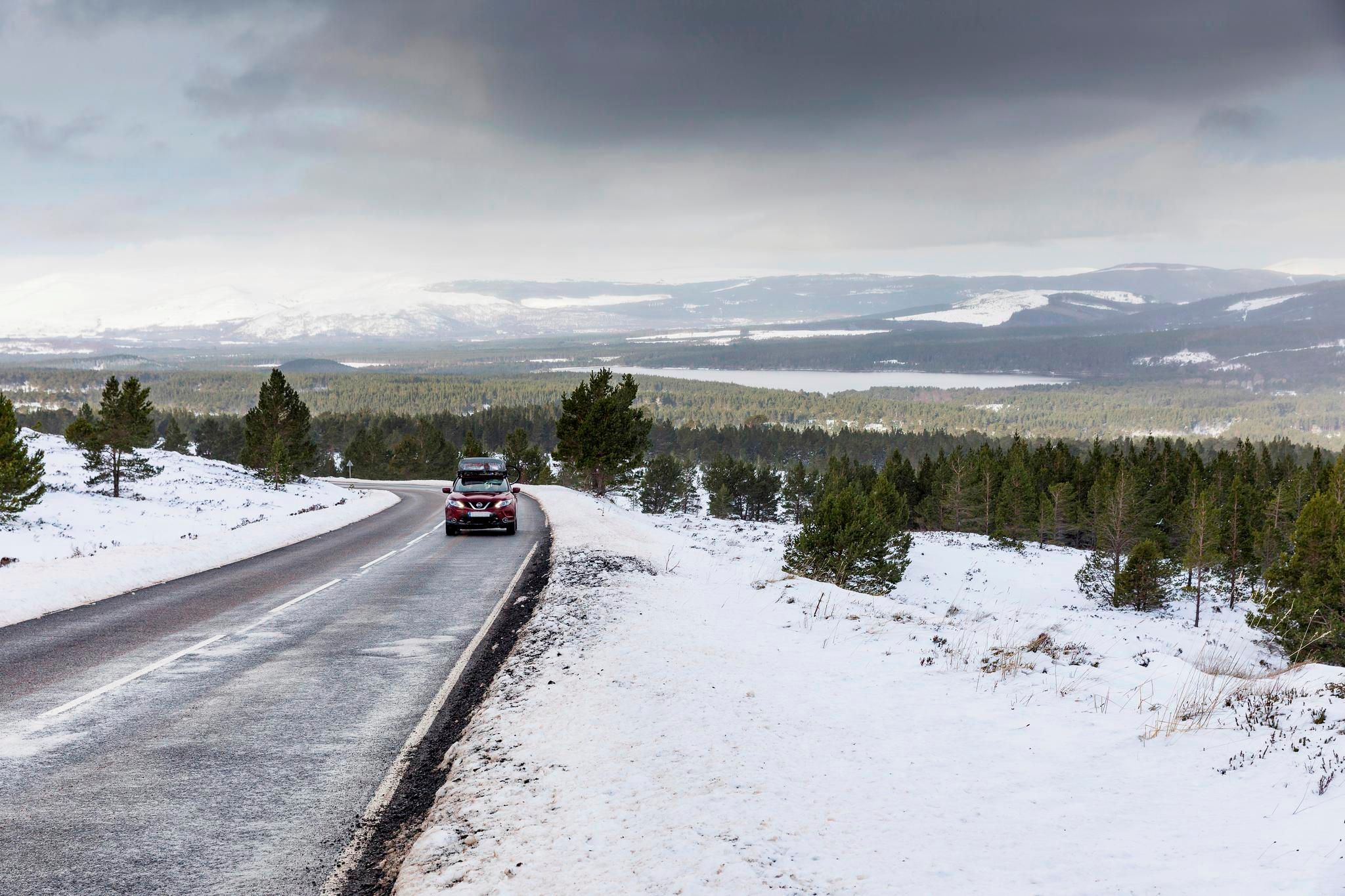
A wintery scene of a car travelling along a road with snow by the roadsides and on the distant mountain tops

Glenmore Forest Park, near Aviemore

© VisitScotland / Kenny Lam

It’s vital that you keep informed on the latest information during an extreme weather event.

Make sure to subscribe to or follow updates from official channels:

  • Weather – Met Office weather warnings
  • Flooding – SEPA flood information
  • Wildfires – Scottish Fire and Rescue Service wildfire guidance
  • Road travel – Traffic Scotland live updates on incidents and warnings
  • Rail travel – ScotRail service updates
  • Ferries (west coast) – Caledonian MacBrayne ferry service status information
  • Ferries (Orkney and Shetland) – NorthLink Ferries service updates

Also consider your local council and airport social media channels.

Keep your customers informed

  • Contact affected customers directly

    Do not rely on social media alone. Use email, text or booking-platform messages to explain changes, ideally before your customers set off. Keep wording clear, accessible and consistent across your website, booking channels, business listings and voicemail.

  • Make updates easy to find

    Add a prominent website notice and pin a social media update. State whether you are open, closed or operating a reduced service, what bookings are affected, how to contact you and when the next update is due. Remember to date and time each message.

  • Share verified travel advice

    Link to Traffic Scotland for trunk-road updates and check local council and transport-operator information for local roads, trains, buses and ferries. Avoid promising that a route or activity is safe or recommending unverified diversions.

  • Review scheduled marketing

    Pause any promotions that could conflict with closures or official advice.

Prepare for recovery

Before reopening, arrange any necessary safety checks and confirm access and essential services. Update all channels, remove outdated notices and review what worked with staff and local partners.

Further guidance for your business

  • Ready Scotland: prepare your business for emergencies – business continuity planning and links to local council support.
  • Adaptation Scotland: business resilience resources – practical tools, including an extreme-weather checklist for small and medium-sized businesses.
  • Business Gateway Business Continuity Planning – how to prepare, respond, and recover from disasters and crises.

Guidance for event organisers

If you are an event organiser then you need to be ready for a range of potential risks that could cause your event to be disrupted or cancelled, from terrorism to extreme weather.

Check out our readiness and resilience for events guidance

Related pages

Sustainability

Grow your tourism or events business sustainably with actionable green strategies.

Manage your website

Find out what makes a good accessible website including key pages and booking systems, and how you can develop and improve this digital channel.
Article
8 minute read

Manage your social media accounts

Find out how to use social media to share information about your business and inspire people to come and visit you.
Article
7 minute read

Setting up a tourism business

Find all of the general advice you need to begin a business in Scotland.
Article
4 minute read

Sign up for the latest advice

Sign up for the Business Support monthly newsletter to get the latest advice and tips straight to your inbox. We’ll keep you informed with up-to-date insights, case studies and best practice guides to help you start, improve or grow your business.
Get the Business Support newsletter

About us

  • Policies
  • Accessibility
  • Cookies
  • Website feedback
  • Glossary of terms

Our other sites

  • Business Events
  • Corporate
  • Asset Library
  • Travel Trade
  • Brand Scotland
  • VisitScotland.com

Find us on

Find us on

Brand Scotland

© 2026 VisitScotland. All rights reserved.