:

    • All Advice and support

      Start your business

      • All Start your business
      • Legislation
      • Measure your progress
      • Pricing strategies
      • Set up a business

      Improve your business

      • All Improve your business
      • Create an inclusive business
      • Deliver a quality experience
      • Partner support opportunities
      • Understand your customers

      Grow your business

      • All Grow your business
      • Funding opportunities
      • Online booking systems
      • Reach new markets
      • Sell with travel partners

      Promote your business

      • All Promote your business
      • Create good content
      • Manage your social media
      • Manage your website
      • Marketing opportunities

      Sustainability

      • All Sustainability
      • Create a climate action plan
      • Improve your sustainability
      • Measure your climate impact
      • Net zero and sustainability
      • Promote responsible tourism

      Support by sector

      • All Support by sector
      • Accommodation
      • Active and outdoor
      • Events and festivals
      • Food and drink
      • Visitor attractions
  • Training and events
  • Contact us
  1. Home
  2. Advice and support
  3. Support by sector
  4. Events and festivals
  5. Events and festivals case studies
  6. Contingency planning – expert advice from Claire Miller

Contingency planning – expert advice from Claire Miller

6 minute read• Last updated: 26 February 2026

No matter the size of your event, contingency planning is crucial to mitigating risks and safe delivery. This can involve input from a number of key stakeholders, such as the emergency services and the local authority.

An expert in this field is Claire Miller, Senior Manager for Event and Public Space Operations for the City of Edinburgh Council. In her role Claire leads on strategy, partnerships and the successful facilitation of all events that take place within Edinburgh of which there are approximately 700 every year.

Discover how Claire’s teams support event organisers and learn some key takeaways for planning a ready and resilient event.

In this article:

  • Advice and support
  • Contingency planning
  • Testing your contingency plan

Advice and support

Claire gave us an overview of the work her teams deliver.

“My teams – public spaces and public safety – work with event organisers from initial idea right through to delivery. We consider their application to use a public space, provide advice and access to all the necessary contacts they need, and can also visit on events day to offer further advice and support.

“There are lots of other council teams who help facilitate events including roads, events, waste and cleansing, parks and green spaces, parking, estates, licensing, planning and building standards.”

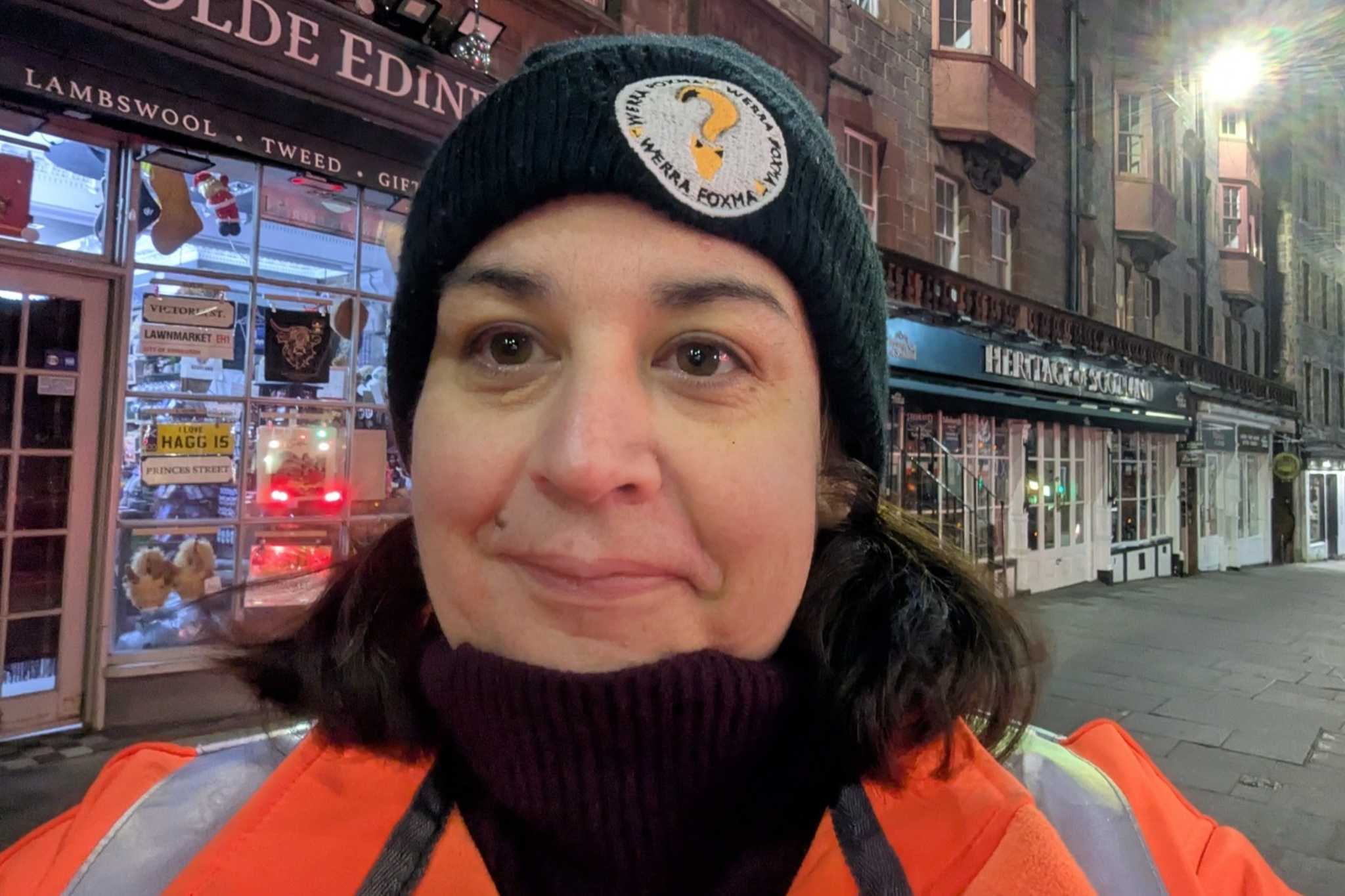
Claire Miller in a high viz jacket at night on an Edinburgh street

Claire Miller, Senior Manager for Event and Public Space Operations

© Claire Miller

Event Planning and Operations Group (EPOG)

Depending on the scale and location of an event, a Safety Advisory Group (SAG) may be required – an important forum for discussing and advising on public safety at an event. EPOG is the City of Edinburgh Council’s SAG.

“An EPOG (Event Planning and Operations Group) meeting is a multi-agency meeting where everyone gets round a table (virtual or in-person) to discuss an event, ensure a shared understanding of what is happening, and how risks and disruption to the City will be mitigated, including who is responsible for what.

“It’s called a Safety Advisory Group (or 'SAG') in other local authorities, but the focus is the same – making sure that the safety and wellbeing of everyone attending an event has been planned for and well considered.

“It is not a decision-making body, but we (and other regular attendees to EPOG meetings, eg Police Scotland) do provide advice and recommendations to other decision-making forums, such as the Licensing Sub Committee where elected members make decisions on whether licences should be granted or not (eg public entertainment, market operators, etc).

“We are a friendly bunch and want to help you put on a safe and successful event.”

Find out more about working with SAGs and other key partners.
Contingency planning

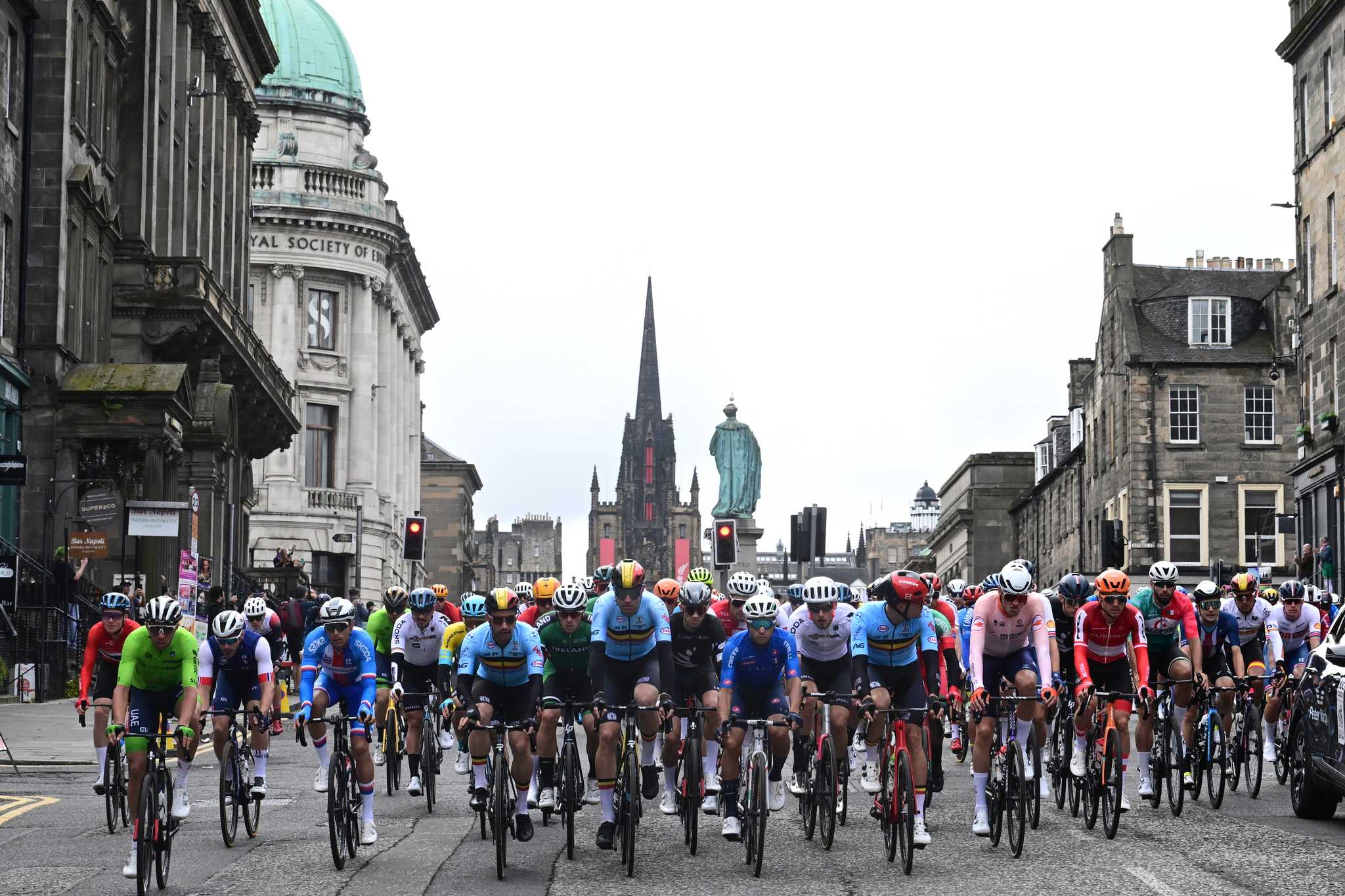
Cyclists taking part in the 2023 UCI Cycling World Championships cycle through Edinburgh

2023 UCI Cycling World Championships

© 2023 UCI Cycling World Championships

Any event comes with risks and things can go wrong, so it’s important have an appropriate level of contingency planning, especially for dealing with emergencies.

Claire explains: “Every event organiser should do some level of contingency planning, and I’m sure do some of it naturally as part of common-sense measures.”

For Claire, the important areas organisers should focus on are:

  • Good accessibility for emergency services, without affecting or getting in the way of attendees leaving the event.
  • Provision of medical/welfare for any injuries.
  • Deciding on how you would communicate with your attendees quickly and effectively.
  • Ensuring any staff and volunteers are fully briefed on how they should respond during an incident.
  • Having clear plans in place for adverse weather.

For new or less experienced event organisers, Claire offered the following advice on contingency planning.

“Don’t let the name put you off. What you are looking to do is think about various scenarios and what you would do to keep people safe. Thinking about how you would deal with adverse weather is a good place to start.”

Activities to undertake

There are several activities that an event organiser should be doing to support a ready and resilient event.

Claire states, "A thorough risk assessment should be undertaken, thinking about all stages of the event: build, de-rig and during. Additionally, thorough briefings for all staff and volunteers involved. If your event is larger in scale, then it might be assessed by the Police regarding current threats, for which they will provide proportionate advice and recommendations.”

You should consider:

  • how people will arrive and leave your venue
  • whether roads or other areas should be temporarily shut
  • what agencies you might need help from in this area

“Welfare, medical and Zone Ex (the area outwith the event or venue footprint) all need to be considered by major events to ensure good and safe links to transport hubs.”

Claire also stresses the importance of protection for events organisers.

For example:

  • public liability insurance
  • cancellation insurance
  • robust contracts

“Over and above all of this I would say maintaining good relationships with all the partners involved in planning and delivery of the event is very important. Teamwork makes the dream work”

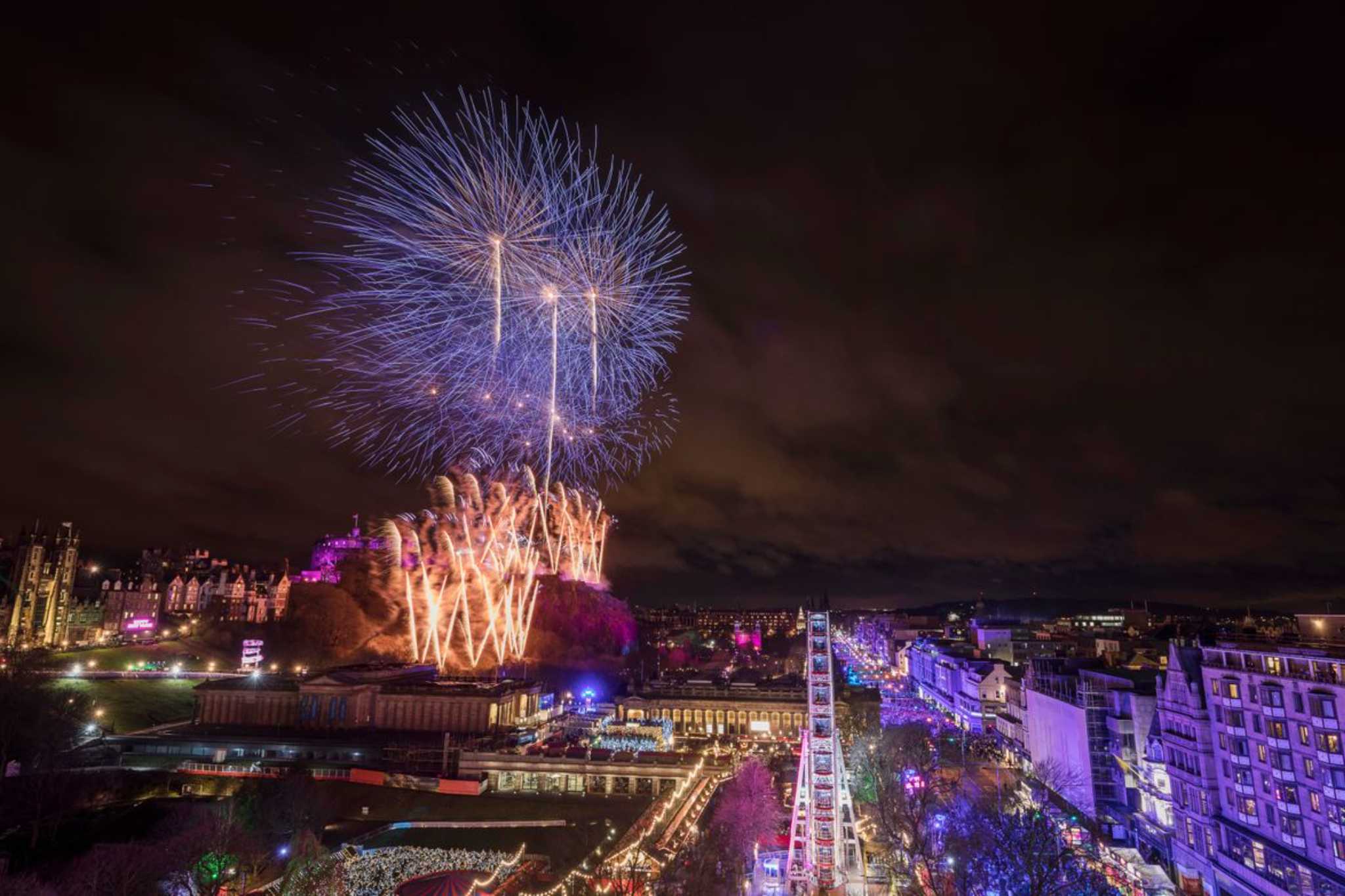
Fireworks explode in night sky over Edinburgh

Edinburgh's Hogmanay fireworks

© VisitScotland / Kenny Lam

Support resources

Knowing where to look for support when starting out can be a challenge, so what resources would Claire recommend to support event contingency plans?

“A good starting point is the Purple Guide which has lots of chapters on all areas of event management. We also have a good event organiser guidance document on the Council’s website which will help you navigate planning an event in Edinburgh.

“If you want to delve in deeper, the UK Resilience Academy run courses relating to event and crowd safety. There are lots of other great courses out there on all sorts of topics, such as show stop procedures, risk and safety management, crowd psychology, and lots more. We are happy to advise on what we think would be useful topics for you, based on the type of event.”

Testing your contingency plan

Once you have a contingency plan it’s important to check that it’s robust. Claire’s expert opinion on applicable approaches is to take stock of the following:

  • Get internal feedback

    “The simplest way to test a plan is to get your team to look at your plans critically and offer feedback internally before sharing it with the wider multi-agency team.”

  • Consult multiple viewpoints

    “Sharing your plans with the multi-agency group such as EPOG, will mean you have multiple viewpoints looking at your plans and providing advice and guidance which should give you reassurance that they are fit for purpose.”

  • Plan for different scenarios

    “For larger events, or for busy times of year we also run table-top exercises where a facilitator runs through a variety of scenarios, and you work together in groups to discuss and feed back how you would deal with each one. There are always learnings from this type of exercise, so they are very valuable and help build bonds between the teams involved in event delivery.”

Related pages

Events and festivals case studies

Our events case studies on Wigtown Book Festival, Stirling Highland Games and TRNSMT Festival offer insights into effective event organisation.
Article
1 minute read

Stirling Highland Games and their role in the community

Stirling Highland Games is an annual event attracting over 8000 visitors, find out about the festival and how they work with the local community.
Case study
4 minute read

How TRNSMT Festival strives to be accessible for all

TRNSMT Festival is an annual three day music event held in Glasgow Green. They are working to make the event accessible for all.
Case study
9 minute read

The value of volunteers to Wigtown Book Festival's success

Learn about Wigtown Book Festival and the importance of volunteers in their event delivery.
Case study
4 minute read

Sign up for the latest advice

Sign up for the Business Support monthly newsletter to get the latest advice and tips straight to your inbox. We’ll keep you informed with up-to-date insights, case studies and best practice guides to help you start, improve or grow your business.
Get the Business Support newsletter

About us

  • Policies
  • Accessibility
  • Cookies
  • Website feedback
  • Glossary of terms

Our other sites

  • Business Events
  • Corporate
  • Asset Library
  • Travel Trade
  • Scotland is Now
  • VisitScotland.com

Find us on

Find us on

Brand Scotland

© 2026 VisitScotland. All rights reserved.