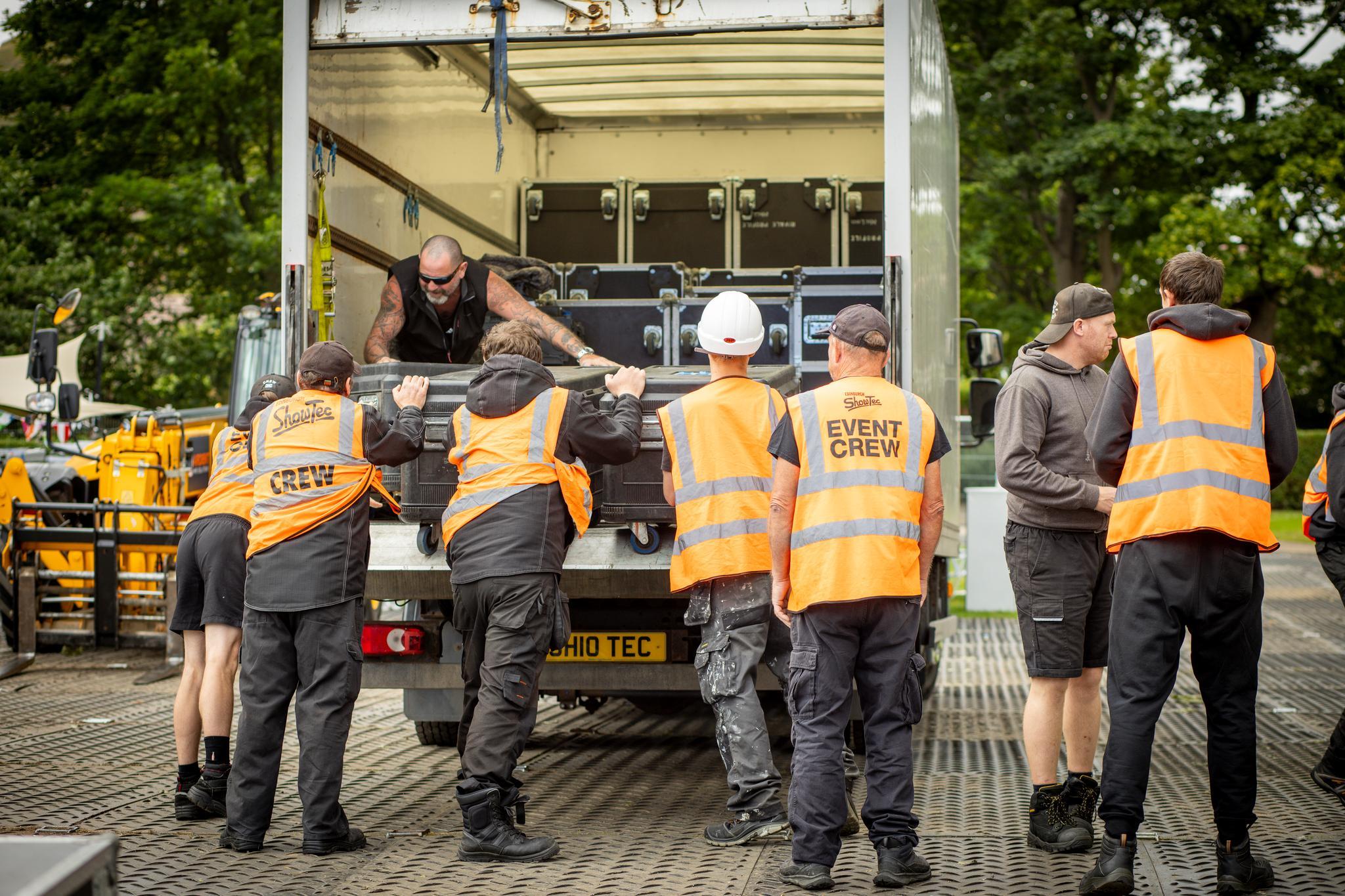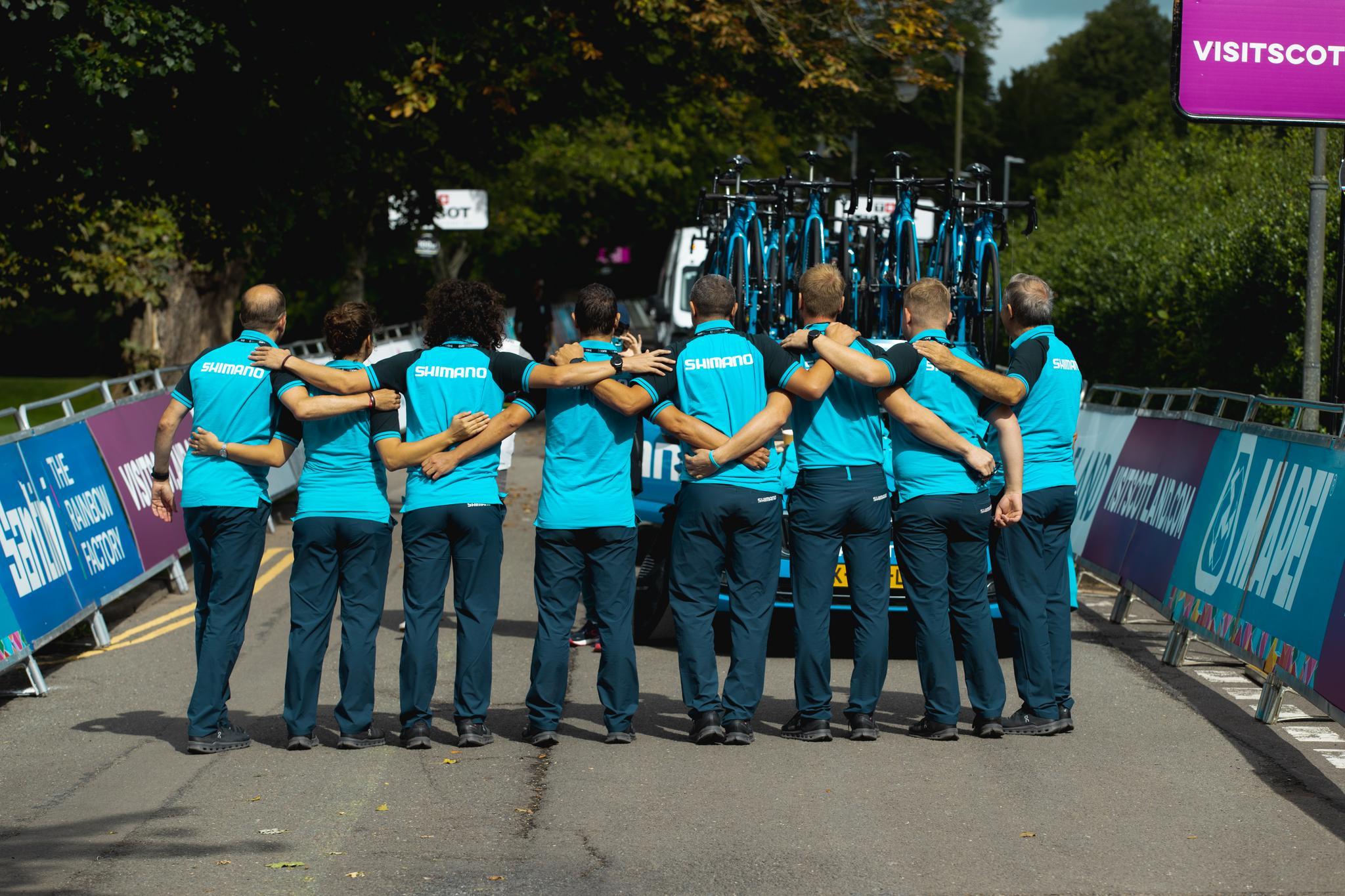
Volunteers gather for a pre-festival briefing ahead of the 2025 Fringe by the Sea event.
Developing a clear workforce plan helps you identify the staff and volunteers your event needs and the skills required for effective delivery. In line with the National Events Strategy, think about how you can attract, retain and develop talent within your team, applying Fair Work First principles from the outset to support an inclusive and productive workforce. Every event is different, so tailor your approach to its nature, scale and location. The guidance below outlines good practice to help shape your plan.
Engaging and managing a core event team
Core event staff are usually employed seasonally or all year round and often paid through your payroll. These team members are central to the development, planning, and delivery of your event. Depending on the size of the event, this can range from one or two people to a team of dozens. You may bring in freelancers or fixed-term staff at different stages to supplement this core team with additional expertise.
Top tips for recruiting core staff:
- Audit skills – carry out skills audits to identify any gaps in knowledge or qualifications. Bring in subject matter experts where needed.
- Clarify roles – provide clear, detailed job descriptions and visual team structure charts (organograms) to ensure roles and responsibilities are understood. Review and communicate updates regularly.
- Advertise effectively – use industry newsletters, stakeholder networks, and social media platforms like LinkedIn to reach relevant candidates with the skills and experience required.
- Promote inclusion – comply with the Equality Act 2010 and actively work to remove barriers that may exclude underrepresented groups. Learn how to prevent discrimination and uphold diversity from Business Gateway.
- Invest in development – workers need to be competent in the role they have been employed or contracted to perform. Promote ongoing training and professional development as staff with up-to-date skills feel more confident and valued. Check out available opportunities on our Training and events page.

2023 UCI Cycling World Championships volunteers.
Working with contractors
Contractors or freelancers are often engaged for short periods during specific phases of the event to supplement and strengthen the core delivery team, for example health and safety advisors or production managers. These individuals bring specialist knowledge, experience from other events, and innovative solutions.
Key considerations:
- Clearly outline roles, responsibilities, delivery milestones, and payment terms in contractor briefs.
- Contractors usually hold insurances (e.g. public liability insurance and professional indemnity insurance). However, contractors should ensure these are in date and provide the type and levels of cover in accordance with your company or event’s insurance policies.
- Check compliance with IR35 legislation, and seek tax advice if unsure.
- Contractor fees can vary widely depending on the role, duration, and specialism. Refer to the Bectu Rate Card and Creative Scotland Fair Work Rates Guide for reference. This checklist from Scotland’s Trade Union Centre (STUC) outlines the best practice approach to correctly paying freelancers.