:

    • All Advice and support

      Start your business

      • All Start your business
      • Legislation
      • Measure your progress
      • Pricing strategies
      • Set up a business

      Improve your business

      • All Improve your business
      • Create an inclusive business
      • Deliver a quality experience
      • Partner support opportunities
      • Understand your customers

      Grow your business

      • All Grow your business
      • Funding opportunities
      • Online booking systems
      • Reach new markets
      • Sell with travel partners

      Promote your business

      • All Promote your business
      • Create good content
      • Manage your social media
      • Manage your website
      • Marketing opportunities

      Sustainability

      • All Sustainability
      • Create a climate action plan
      • Improve your sustainability
      • Measure your climate impact
      • Net zero and sustainability
      • Promote responsible tourism

      Support by sector

      • All Support by sector
      • Accommodation
      • Active and outdoor
      • Events and festivals
      • Food and drink
      • Visitor attractions
  • Training and events
  • Contact us
  1. Home
  2. Advice and support
  3. Improve your business
  4. Create an inclusive business
  5. Understanding inclusivity

Understanding inclusivity

6 minute read• Last updated: 7 July 2026

Inclusive tourism is about ensuring that all customers can enjoy their experience without any barriers or restrictions. It’s about improving the tourism or event experience for a wide range of customers who may need specific services or facilities. These customers can include disabled people, senior citizens, families with young children, and those with a short or long-term illness.

By running a more inclusive business, you’re not only helping customers to enjoy a better experience, but you’re also making your business a more appealing prospect to more people.

Read on to discover more about how big an impact it can make to offer a more inclusive experience.

In this article:

  • The difference between inclusivity and accessibility
  • Why inclusivity matters to your business
  • Insights on the accessible market
  • Legislation
  • Social tourism initiatives

The difference between inclusivity and accessibility

A wheelchair guest and her family enjoying self catering accommodation

The Green House

© VisitScotland / Luigi Di Pasquale

You may have seen both terms "inclusive" and "accessible" used about businesses.

Inclusivity is about your whole approach and ethos – in other words how your business welcomes and engages with customers who have different needs, offering them the same levels of customer service and quality of experience.

Accessibility is about the removal of physical barriers that may prevent a customer from enjoying an experience, whether that be accessible online content or a building designed to be accessible to everyone. Taking steps to be more accessible to customers is just one way in which your business can be more inclusive.


Why inclusivity matters to your business

Scotland has a reputation the world over for being a welcoming destination. It is only right and fair that we strive to make it as easy as possible for everyone to enjoy the huge variety of experiences on offer, irrespective of who they are, or the requirements they may have. Being inclusive also delivers clear business benefits.

  • Financial benefits

    Disabled and senior travellers spend significantly more when they go on holiday than other market groups and represent a loyal customer base keen to recommend inclusive businesses to their family and friends.

    With the inclusive tourism market increasing as the UK’s population ages, the rewards for businesses catering for this market are also growing, eg inclusive businesses have higher occupancy rates.

  • Increased competitiveness and resilience

    Finding an experience which meets the requirements of a disabled traveller will often determine where their whole group chooses to visit. Some disabled travellers like to travel ‘off peak’ when it’s quieter, helping you to extend your season.

  • Legal compliance

    Every business has a statutory obligation to comply with the Equality Act 2010 which legally protects people from discrimination in the workplace and in wider society. It is important as a tourism business that you understand it is illegal to discriminate against customers or staff on the basis of protected characteristics and the obligations you have with regard to making reasonable adjustments.

The accessibility market

  • £1.75 billion

    estimated total expenditure on all tourism trips in Scotland by those with an impairment

  • £824 million

    spend by UK overnight visitors to Scotland who have an impairment

  • £837 million

    spend by tourism day visitors to Scotland with an impairment

  • £91 million

    spend by international visitors to Scotland with an impairment

Source: Great Britain Tourism Survey, Overnight Trips and Day Visits (2023) and International Passenger Survey (2023*). *based on weighted average 2018 and 2023 data.

Insights on the accessible market

Discover more about the volume and spending power of visitors to Scotland who have accessibility requirements with our accessible and inclusive market statistics.

Sorry, something's gone wrong. We can't display this content at the moment.

JavaScript needs to be enabled to watch this video. You can turn this on in your browser settings.

Understand your customers - Business Accessibility

Hear from businesses who have all worked to be accessible and inclusive and from the customers directly on the positive impact you can have.

Legislation

Equality & Human Rights Commission

Browse guidance for businesses on various topics with regards to equality legislation.

Find out more from the Equality & Human Rights Commission.

Assistance dogs

Check out this guide for businesses on assistance dogs from Equality & Human Rights Commission.

Updates on accessibility legislation

Follow the European Accessibility Act

The European Accessibility Act (EAA) came into effect on 28 June 2025 and applies to any business that trades in the EU. The EAA’s aim is to ensure people with disabilities have equal access to products and services, including those sold online.

Although not part of UK law, those outside the EU that sell to EU consumers must also comply. It could for example, apply to a tourism business selling accommodation on their website, or the online sale of tickets for a visitor attraction or tour.

EAA exemptions

Businesses with fewer than 10 employees and a global turnover below €2 million will initially be exempt.

An exemption may also be granted, if a business can demonstrate meeting the EAA requirements would impose a “disproportionate burden”.

Useful EAA resources

Find information on complying with the EAA on the Business Disability Forum, or take a look at AbilityNet's free five-step EAA-Readiness Guide.

Social tourism initiatives

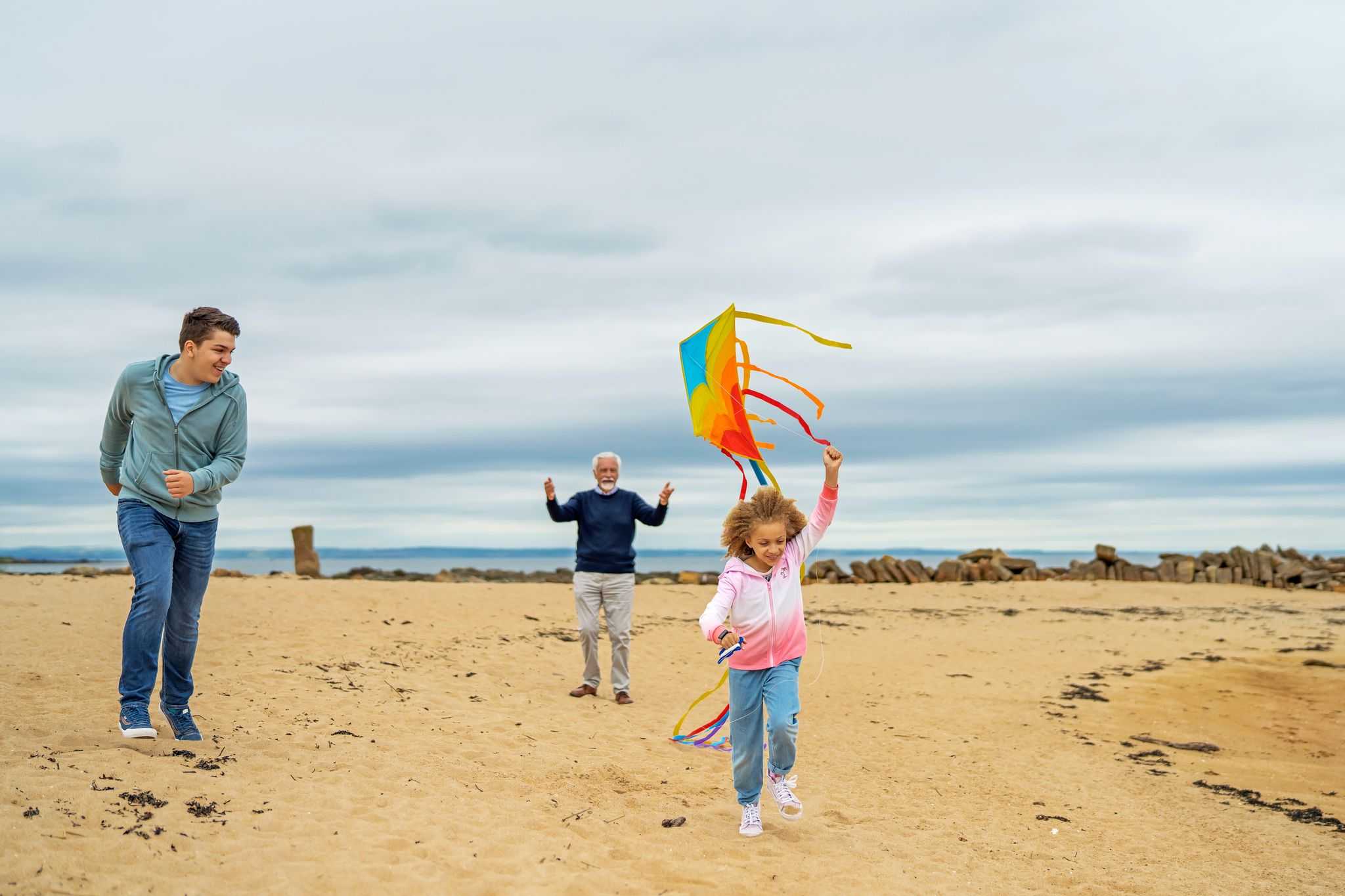
A family flying a kite on the beach

Kingsbarns beach in St Andrews

© VisitScotland / Luigi Di Pasquale

About one-third of Scots can't afford holidays due to various constraints. Social tourism programs aim to make Scotland's offerings accessible to everyone. Social tourism schemes are designed to ensure everyone can enjoy holidays, regardless of their financial situation or health challenges. These programs provide special deals or complimentary trips to reduce the financial burden for those who need it most, such as carers or families facing difficult circumstances. 

Respitality

An example of a social tourism initiative is the Respitality programme. Supported by the Scottish Government and coordinated by Shared Care Scotland, the Respitality programme provides unpaid carers with much-needed respite through free or discounted breaks. This initiative acknowledges the physical and emotional toll experienced by carers, offering them a chance to recharge and continue their caring roles to their best of their abilities.

Business benefits

  • Strengthened Corporate Social Responsibility (CSR)

    Enhance your business's public image by making a difference to the public good.

  • Increased off-peak business

     Offering discounts or packages during off-peak times can attract customers who are part of social tourism schemes and ensure a steady flow of customers throughout the year.  

  • Networking opportunities

    Connecting with charities, government bodies, and other organisations involved in social tourism which might evolve into new partnerships and collaborations.

  • Good community relations

    Lending your support to social tourism initiatives builds goodwill within the local community which can lead to long-term customer loyalty – even during challenging periods.

Get involved

If you're interested in being contacted by Shared Care Scotland with more information about Respitality or other short break programmes, contact us at inclusivetourism@visitscotland.com.

Follow our four-step process to improve your accessibility

Want to make your business more inclusive to all customers, but not sure where to start? Check out our simple four-step process and start your journey today.

Inclusive business improvements

Related pages

Inclusivity training support

Find out key areas of inclusivity that your staff should be aware of and resources that can prove support and training to your tourism business.
Article
7 minute read

Inclusive design

Find out why inclusive design is important for an inclusive and accessible tourism or event business, and the factors to consider when making changes.
Guide
5 minute read

Actions to improve your business

Browse suggestions for practicable actions your tourism or event business can take to improve the accessibility of the experience you offer.
How-to
8 minute read

Accessibility information and communications

Find best practice for making your website accessible and the accessible information you should be including for customers.
Guide
7 minute read

Sign up for the latest advice

Sign up for the Business Support monthly newsletter to get the latest advice and tips straight to your inbox. We’ll keep you informed with up-to-date insights, case studies and best practice guides to help you start, improve or grow your business.
Get the Business Support newsletter

About us

  • Policies
  • Accessibility
  • Cookies
  • Website feedback
  • Glossary of terms

Our other sites

  • Business Events
  • Corporate
  • Asset Library
  • Travel Trade
  • Brand Scotland
  • VisitScotland.com

Find us on

Find us on

Brand Scotland

© 2026 VisitScotland. All rights reserved.